
The place that gave the world its breakfast.
Things on your table might feel ordinary. Maize. Tomato. Cacao. Vanilla. Chilli. Avocado. All originating here. All first cultivated by communities who had been reading this land for thousands of years, selecting, saving and sharing seeds that went on to feed civilisations across the entire planet. Mexico is the 4th most biodiverse country on earth. More reptile species than almost anywhere else on the planet, over 800. Over 1,000 bird species. 26,000 plant species, 10% of all plant life on earth. The largest pine-oak forest system in the world. The 4th largest mangrove coverage on earth. Cloud forests that intercept fog and cloud moisture, feeding rivers and aquifers that supply millions of people. Beneath the Yucatán Peninsula an extraordinary system of underground freshwater rivers and cenotes, sacred to the Maya. Still flowing. And in the Chihuahuan Desert, Cuatro Ciénegas. A system of ancient pools so biodiverse and so scientifically extraordinary that NASA studies it as a window into the origins of life on earth. Its stromatolites, living microbial mats identical to fossils 3.5 billion years old, are among the oldest life forms on the planet. Some scientists call it the navel of the world. It fits in a valley you could drive through in an afternoon. 68 indigenous languages are still spoken across Mexico. Each one a living library of ecological knowledge accumulated over millennia. The Mayan milpa system, intercropping corn, beans and squash in a closed loop that builds soil while feeding communities, has been running for 7,000 years. Over 64 native varieties of corn documented here, the most diverse corn heritage on earth. The Monarch butterfly migrates approximately 4,500km every year to overwinter in Mexican forests, a journey so extraordinary science is still working to fully understand it. This is the living laboratory where PlusGreen works. Ancient Mayan knowledge. Swiss innovation. One of the most biodiverse country on earth. Growing together. The world's food was born here. PlusGreen makes sure it keeps growing.
Picture & Text
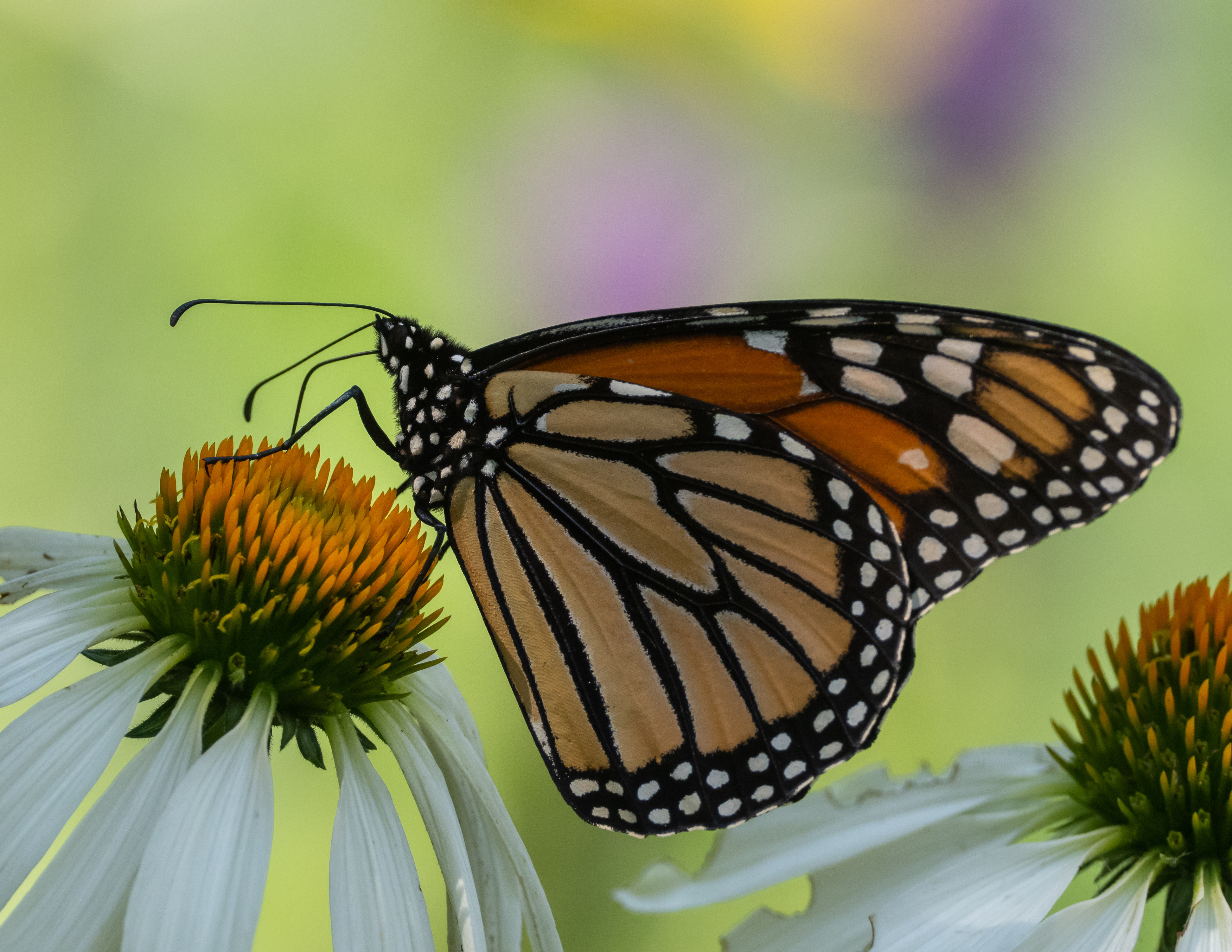
The Monarch Butterfly and the Mazahua
4,500 Kilometres. Every Year. Without Fail. The Monarch butterfly and the communities that protected its home. Every autumn billions of Monarch butterflies undertake one of the most extraordinary journeys in the natural world. Approximately 4,500km from Canada and the United States to the oyamel fir forests of Michoacán and Estado de México. A butterfly that has never made this journey before, born in summer, several generations removed from the last migration, arrives at the same forests its great-great-grandparents left the previous spring. Using the sun as a compass, a time-compensated internal clock and the earth's magnetic field as navigation tools. The precision is so extraordinary that science is still working to fully understand the mechanisms involved. The Mazahua and Purépecha communities have lived alongside this migration for generations. Protecting the oyamel forests. Reading the arrival of the butterflies as a calendar, the butterflies arrive around Día de Muertos, the Day of the Dead, and indigenous tradition holds that they carry the souls of ancestors returning home. The green economy honours both truths. The scientific wonder and the ancestral wisdom. Both point to the same conclusion. These forests are sacred. And they deserve the most extraordinary care. Billions of butterflies. One destination. Protected by the communities who always knew its value.
Picture & Text
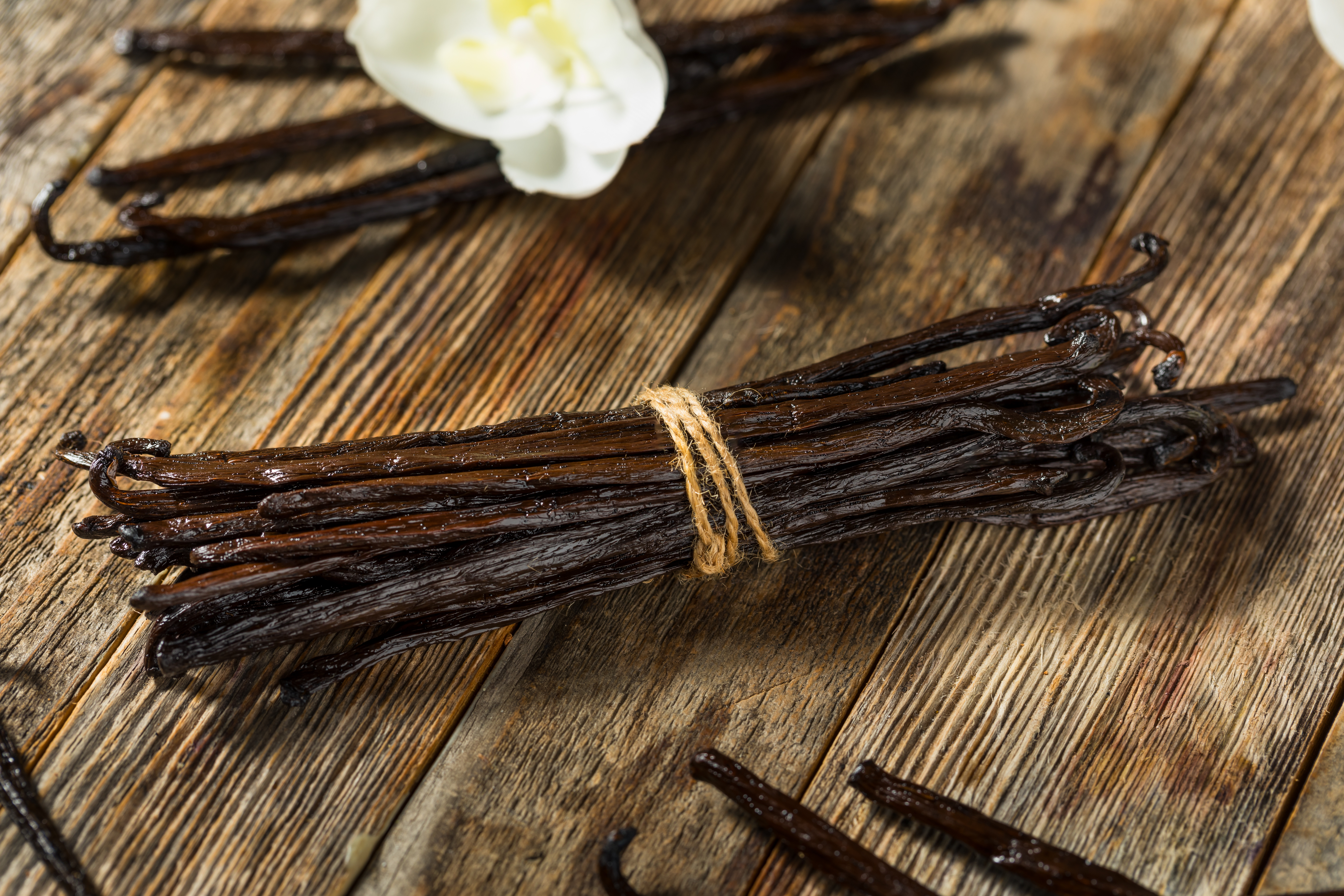
Vanilla
The rarest orchid on earth. Cultivated by the Totonac for centuries. Traded by the Maya across Mesoamerica before the world knew its name. Deep in the cloud forests of Veracruz grows one of the most extraordinary plants on earth. The vanilla orchid, Vanilla planifolia, produces the world's most labour intensive spice from a flower that blooms for a single morning. One morning. Every year. The Totonac people, who call themselves the People of the Sun, understood this orchid completely. Its growth habits. Its flowering season. Its intimate relationship with the Melipona bee and local hummingbirds, the only native pollinators capable of transferring its pollen. For centuries the Totonac cultivated vanilla in the cloud forests of eastern Mexico, using it in ceremony, in medicine and in trade. The Maya incorporated vanilla into their extraordinary trade networks, carrying it across Mesoamerica alongside cacao, jade and obsidian. When Spanish colonisers brought vanilla to Europe in the 16th century the orchid flowered across tropical climates around the world. The fruit came only after hand pollination was introduced, a technique eventually discovered by a 12 year old boy named Edmond Albius on the island of Réunion in 1841. Every vanilla pod grown outside Mexico today, in Madagascar, Indonesia, Tahiti,is still hand pollinated. One flower. One morning. One careful hand. A global industry worth billions built on knowledge the Totonac carried for centuries in the forests of Veracruz. One flower. One morning. A flavour that conquered the world.
Picture & Text
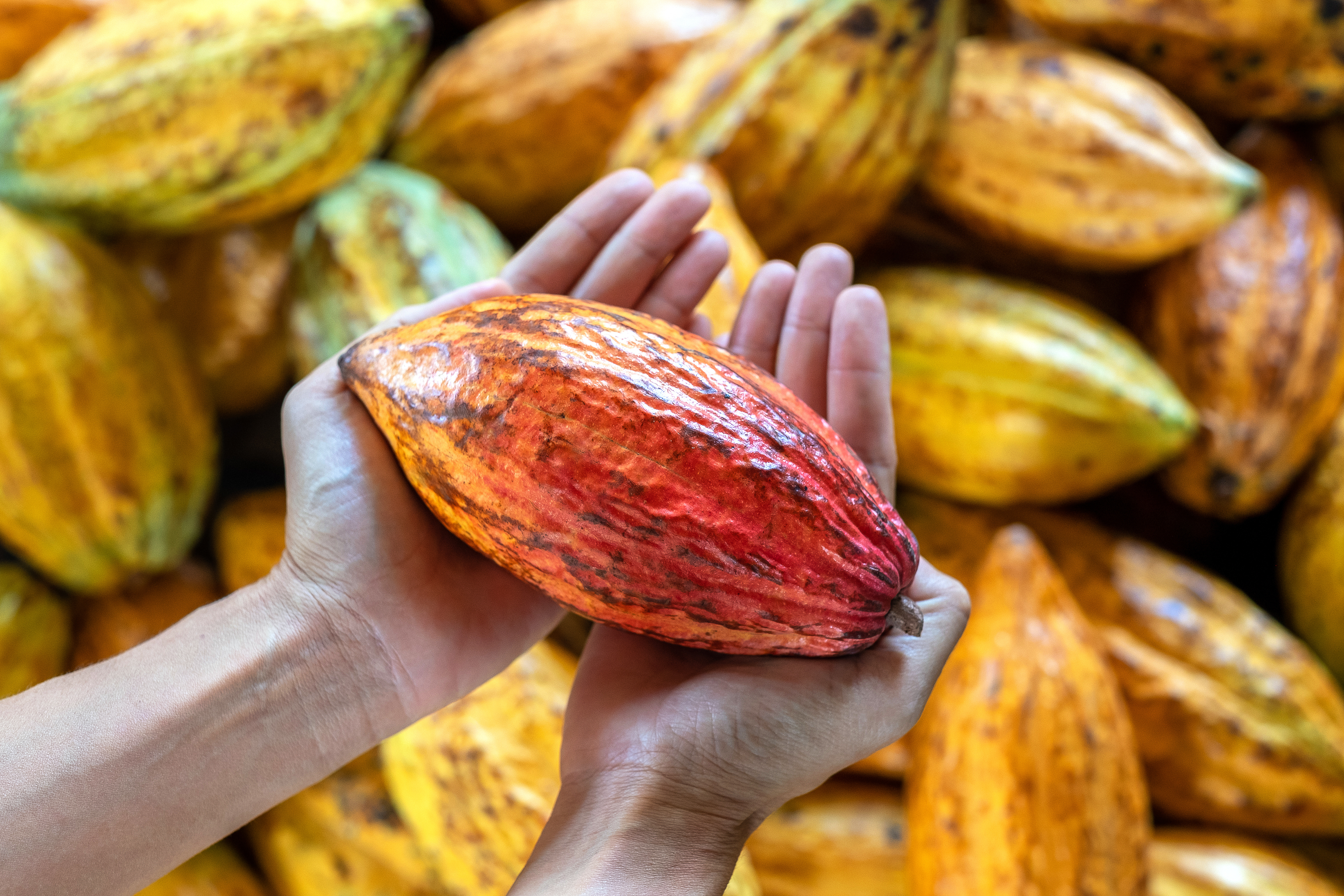
Cacao.
The Olmec discovered it. The Maya turned it into civilisation, ceremony, medicine, currency and sacred offering all in one bean. The Aztec built an empire on it. The world turned it into chocolate. Around 1500 BCE in the tropical lowlands of southern Mexico the Olmec, one of the earliest Mesoamerican civilisations, first cultivated the cacao tree. They understood something extraordinary. The fruit of Theobroma cacao, whose name in Latin means food of the gods, contained properties unlike anything else growing in the forest. The Maya took this discovery and built an entire world around it. They developed xocolatl, a ceremonial drink of cacao, water, chilli and spices, consumed at births, marriages, religious rituals and before battle. They painted cacao pods on their temple walls. They buried their dead with cacao vessels. And they understood its economic power with extraordinary sophistication. Cacao beans became currency. A turkey cost 100 beans. A rabbit cost 30. A tamale cost one. The same bean purchased at the market was offered to the gods at the same ceremony. Food. Medicine. Money. Sacred offering. All in one bean. So valuable that counterfeit cacao, empty husks filled with dirt, circulated in markets. The world's first recorded economic fraud involved chocolate. The Aztec expanded this system further, collecting cacao as tribute from conquered territories and building trade networks that carried it across the entire region. Five thousand years after the Olmec first cultivated it the cacao tree still grows in Mexican forests. The knowledge that grew with it is still alive. The most valuable thing about chocolate was always the civilisation that understood it. Food. Medicine. Currency. Sacred offering. All in one bean. All from here.
Picture & Text
The Maya and the Cenotes
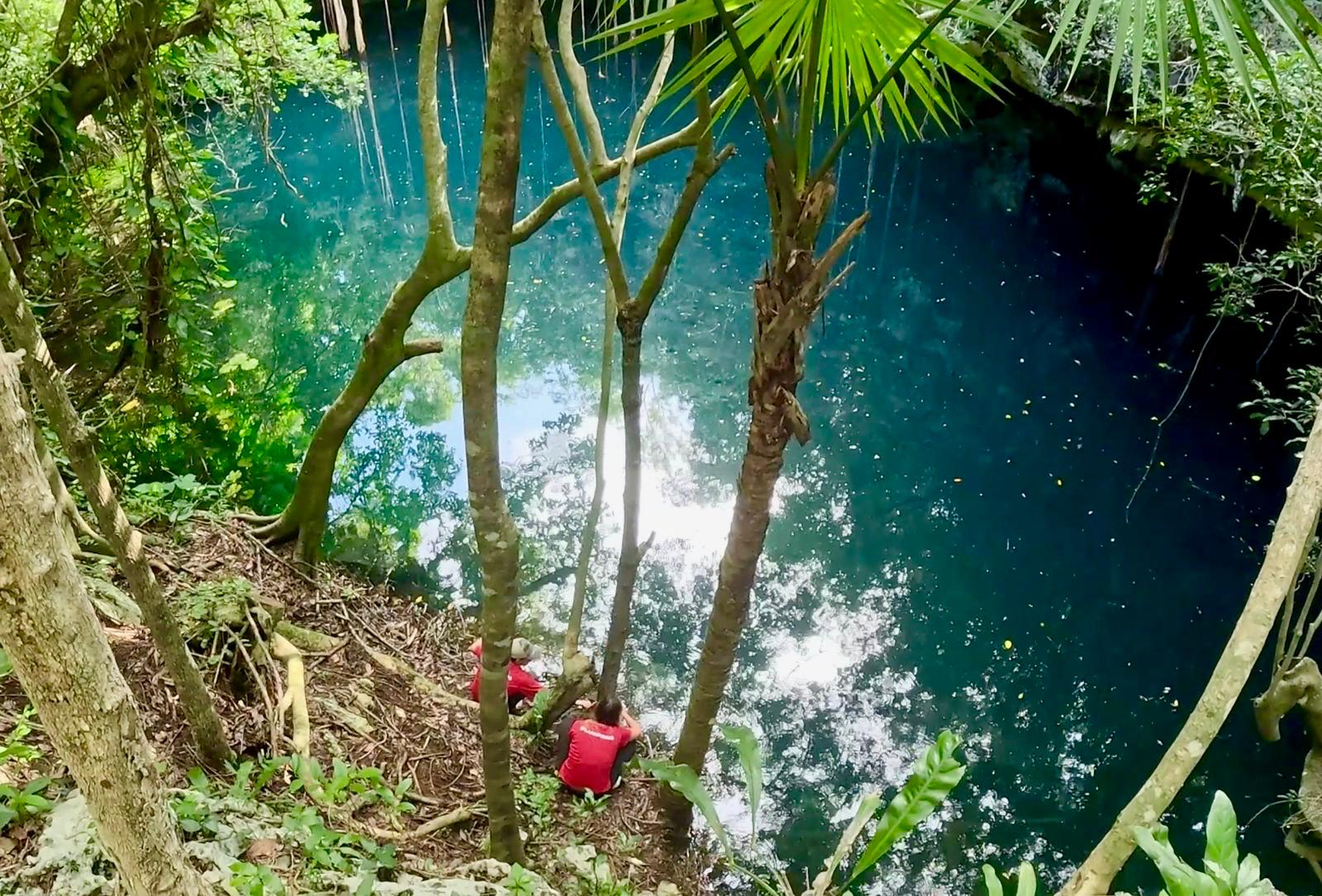
Cenotes The Maya Read The Water. Sacred portals. Ancient maps. The world's largest underground river system.The Maya built their greatest cities above Cenotes. Chichén Itzá. Tulum. Uxmal. Every major ceremonial centre positioned in precise relationship to the underground freshwater world below. The Cenotes were simultaneously their water supply, their calendar, their cosmology and their pharmacy. Sacred portals between the world above and the underworld below, Xibalba, where the gods of water and rain resided. The Maya understood that the Cenotes connected to a vast underground river system long before modern diving technology mapped it. Sistema Sac Actun, the world's largest known flooded cave system, stretches over 370km beneath the Yucatán Peninsula. The Maya navigated its spiritual geography through ceremony, observation and generations of accumulated knowledge passed from elder to child across thousands of years. Their understanding of water, where it moved, where it collected, how it connected to rainfall and agriculture and the movements of celestial bodies, was a science of extraordinary precision. The green economy learns from this. Water is life. And the people who understood it most deeply built a civilisation that lasted millennia. The water was always there. The Maya always knew.
Picture & Text
Cuatro Ciénegas
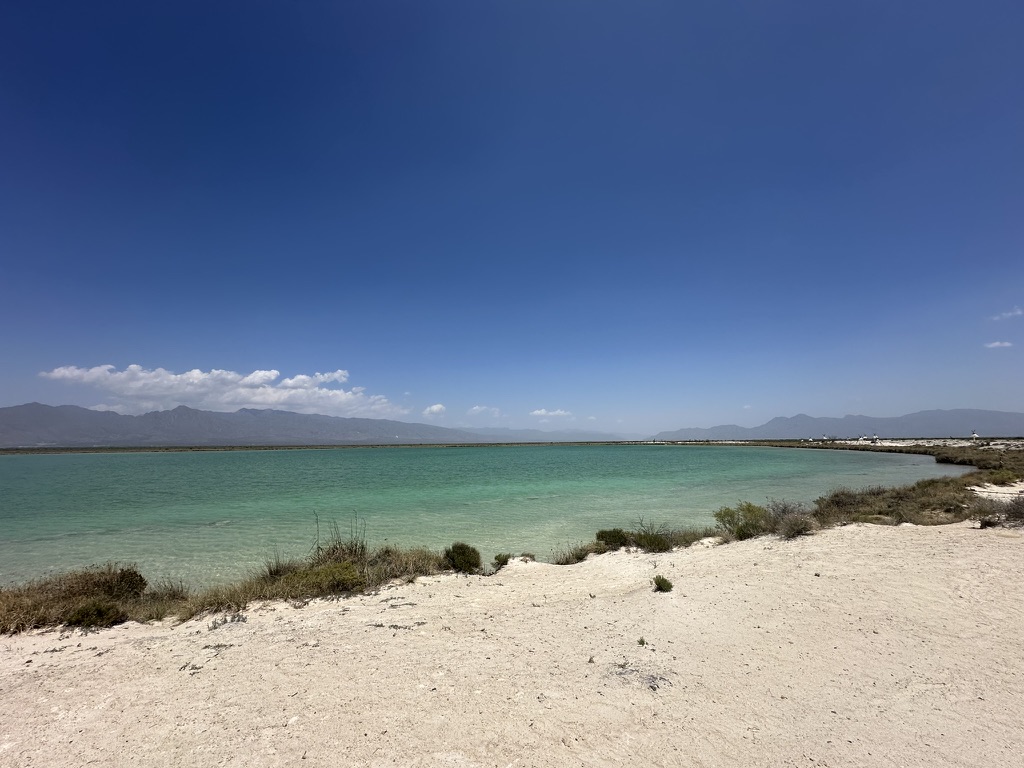
The Oldest Water On Earth. A desert. Ancient pools. Life forms 3.5 billion years old. Still alive. In the Chihuahuan Desert , one of the most arid landscapes on earth, lies a system of extraordinary pools fed by ancient underground water isolated for millions of years. Cuatro Ciénegas. The Coahuiltec and other indigenous peoples of this desert lived alongside these waters for thousands of years, understanding their sacred and medicinal properties long before science had language for what makes them extraordinary. The pozas, spring fed pools of crystal clarity, contain stromatolites. Living microbial mats structurally identical to fossils 3.5 billion years old. The oldest continuously living life forms on earth. Still growing, photosynthesising, building the same structures their ancestors built before complex life existed. The phosphorus levels in Cuatro Ciénegas are so ancient and so low that the organisms living here developed entirely unique survival strategies, strategies that have given scientists extraordinary insights into how life first emerged on earth. NASA studies Cuatro Ciénegas as an analogue for conditions on early earth and potentially other planets. Some scientists call it the navel of the world and the original people of this desert called it sacred. The oldest life on earth is still alive. In a desert. In Mexico.
DER GEMEINSCHAFT BEITRETEN
Mehr als Spender. Mehr als Freiwillige. Wir sind eine globale Bewegung.
Baum erhalten