
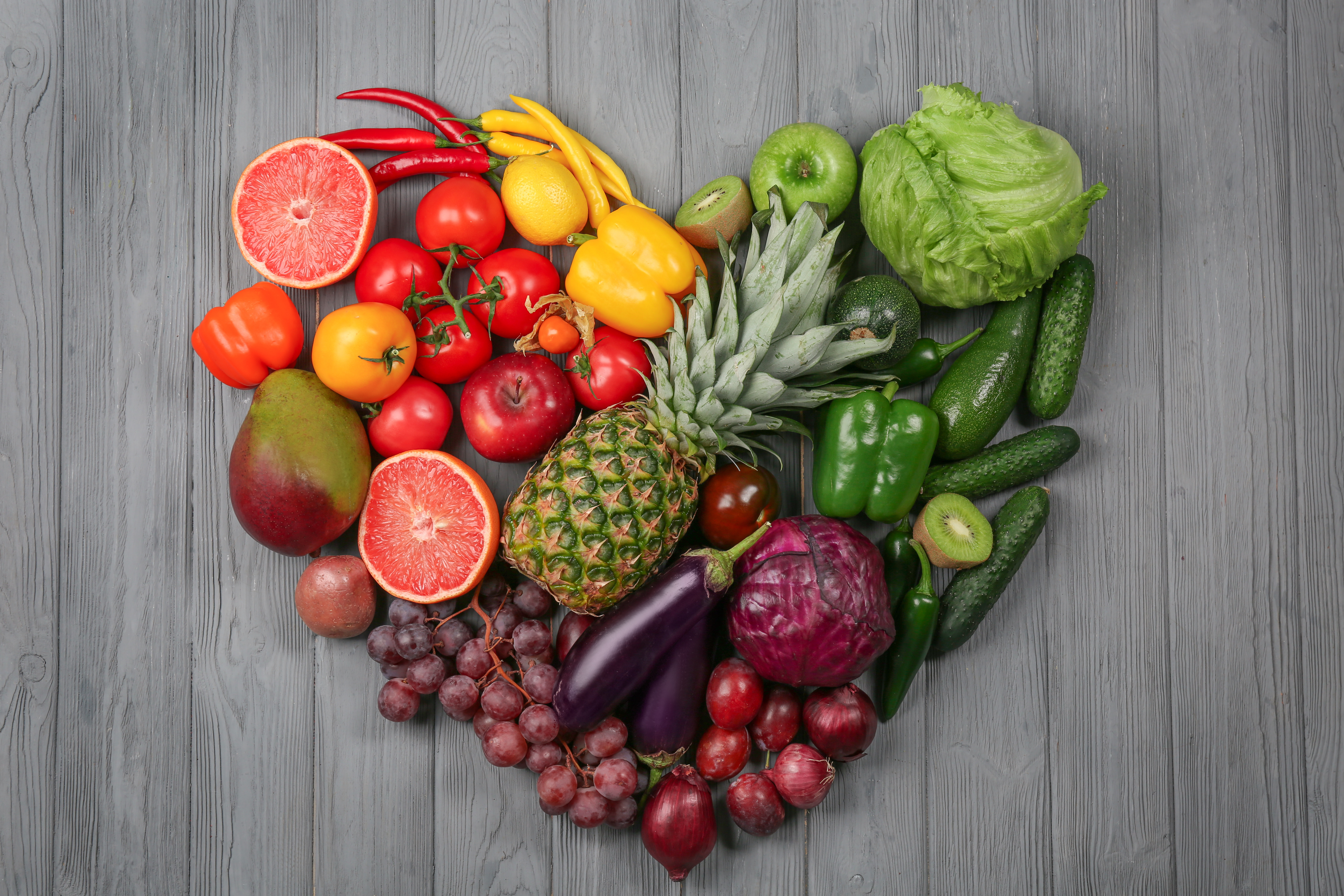
One third of all food. Lost.
Every day, supermarkets set aside produce that missed the shelf standard. Producers transfer overruns that arrived one day too many. Farms bring in the harvest the retailer never accepted, the wrong size, the wrong shade, the wrong shape for a world built around cosmetic perfection. The flavour is identical. The nutrition is identical. The only thing different is the number on a grading chart. PlusFood, part of the PlusPoint, receives that surplus and gives it its plus. A professional chef team transforms it, cooking, pressing, preserving, into premium meals and products that go back into the world as something worth savouring. Nothing added except skill, creativity and the belief that good food deserves better than a bin. This is food upcycling. Taking what the system overlooked and making it extraordinary. Food was always meant to bring people together. Great food deserves a happy ending.
Picture & Text
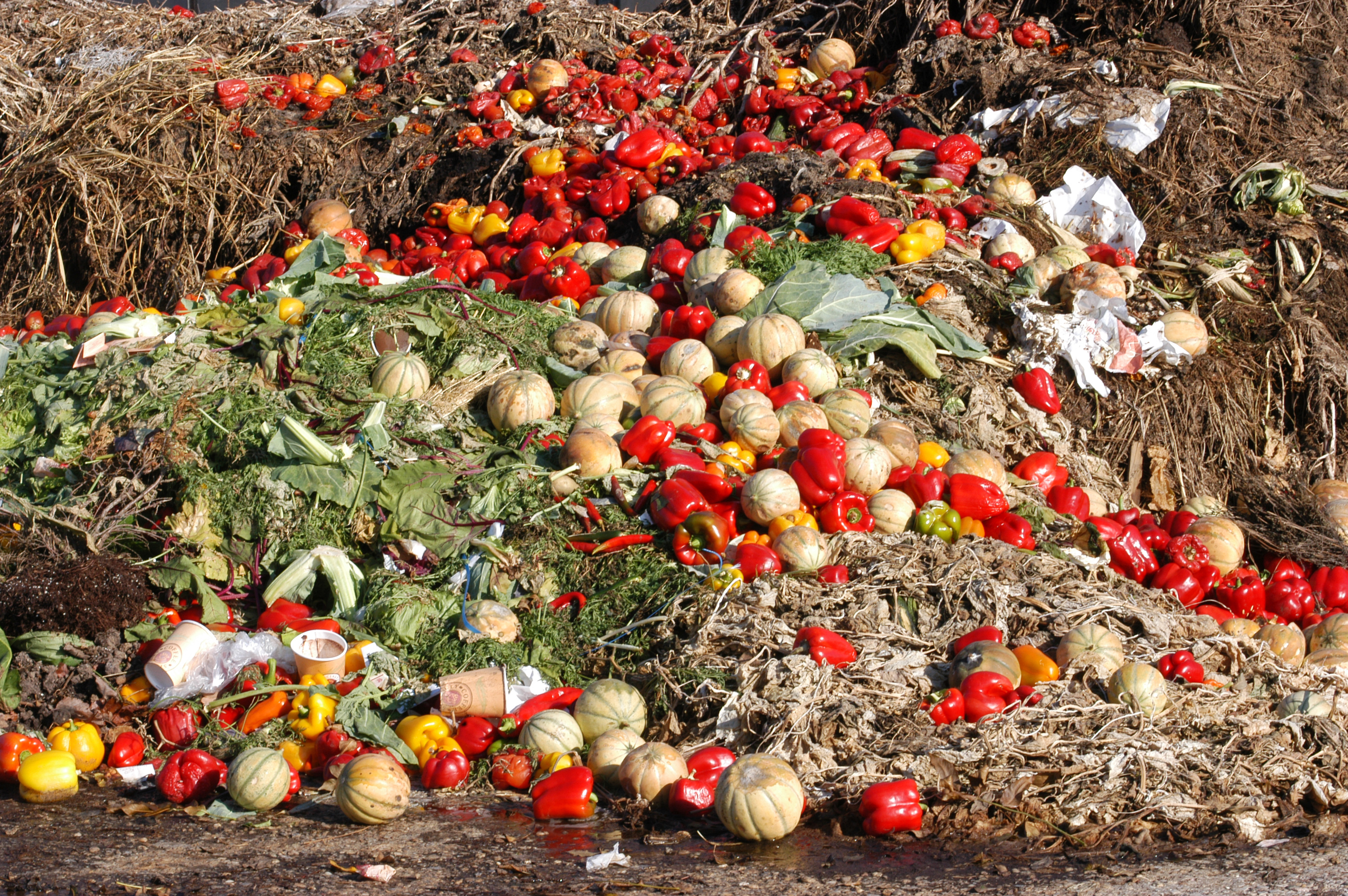
The Most Expensive Bin in the World.
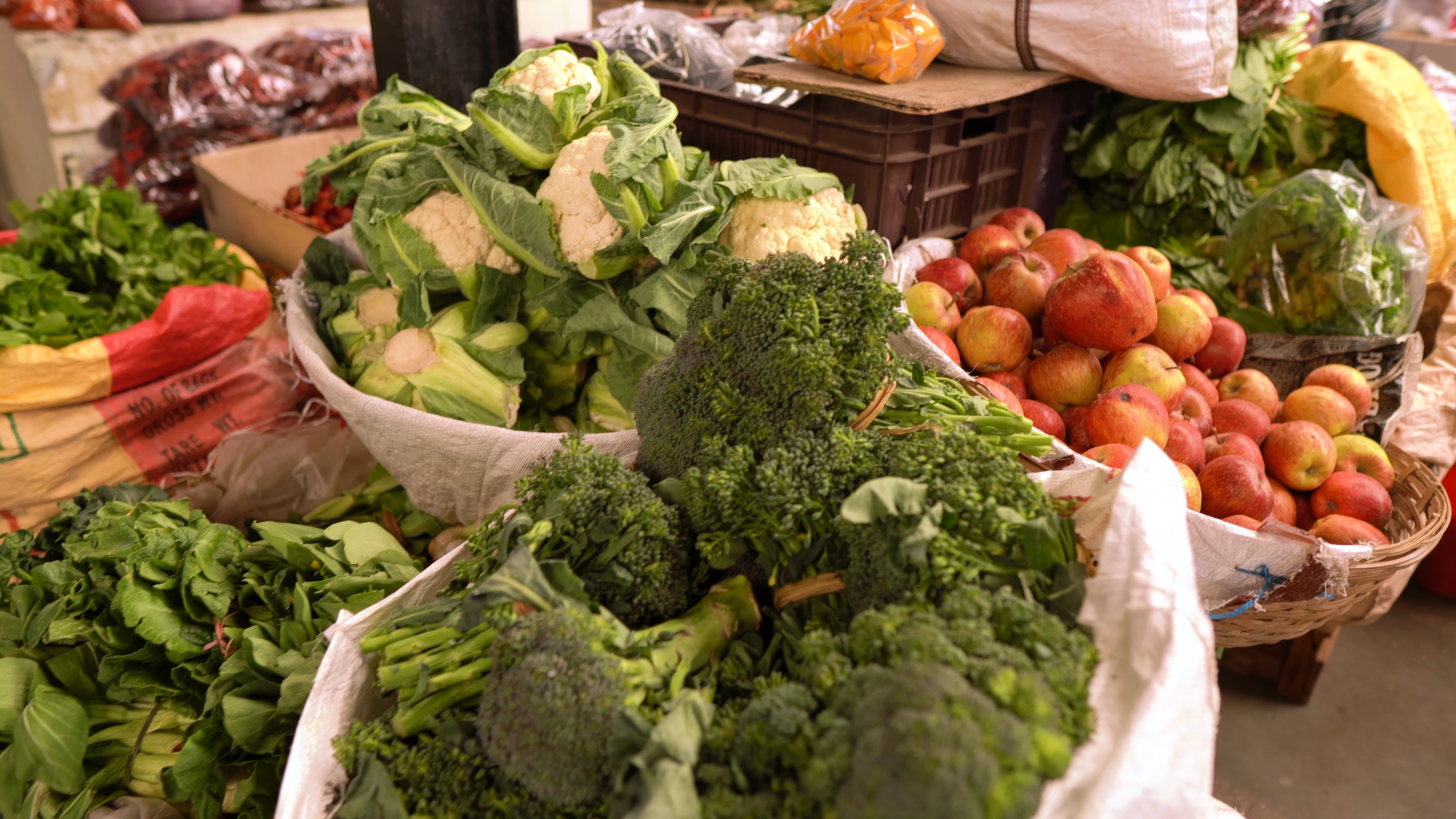
Switzerland loses 2.8 million tonnes of food every year. Most of it was perfect. Food waste is the largest preventable loss in the global food system. In Switzerland alone, an estimated 2.8 million tonnes disappears every year, before reaching a plate. Across retail, production and agriculture, food gets discarded because it failed a standard that has everything to do with appearance and very little to do with quality. Forked carrots. Tomatoes 3mm below the minimum retail diameter. Banana deliveries one day past their optimal window. Producer overruns of ten percent on a seasonal line. Safe, flavourful, perfectly edible, every single one. Deserving a better destination than a bin. Identical flavour. Identical nutrition. Only the number on a grading chart is different. Measured in environmental terms, food loss and waste is among the most significant contributors within a global food system responsible for approximately 26% of greenhouse gas emissions. Every tonne lost carries with it the water, soil, energy and human effort invested in producing it. In Switzerland, the estimated economic value of annual food waste exceeds CHF 2 billion. Socially, food discarded while demand for affordable meals grows in every Swiss city represents a consequence that is profound and still growing. Great food always had somewhere better to be. PlusFood takes it there.
Picture & Text
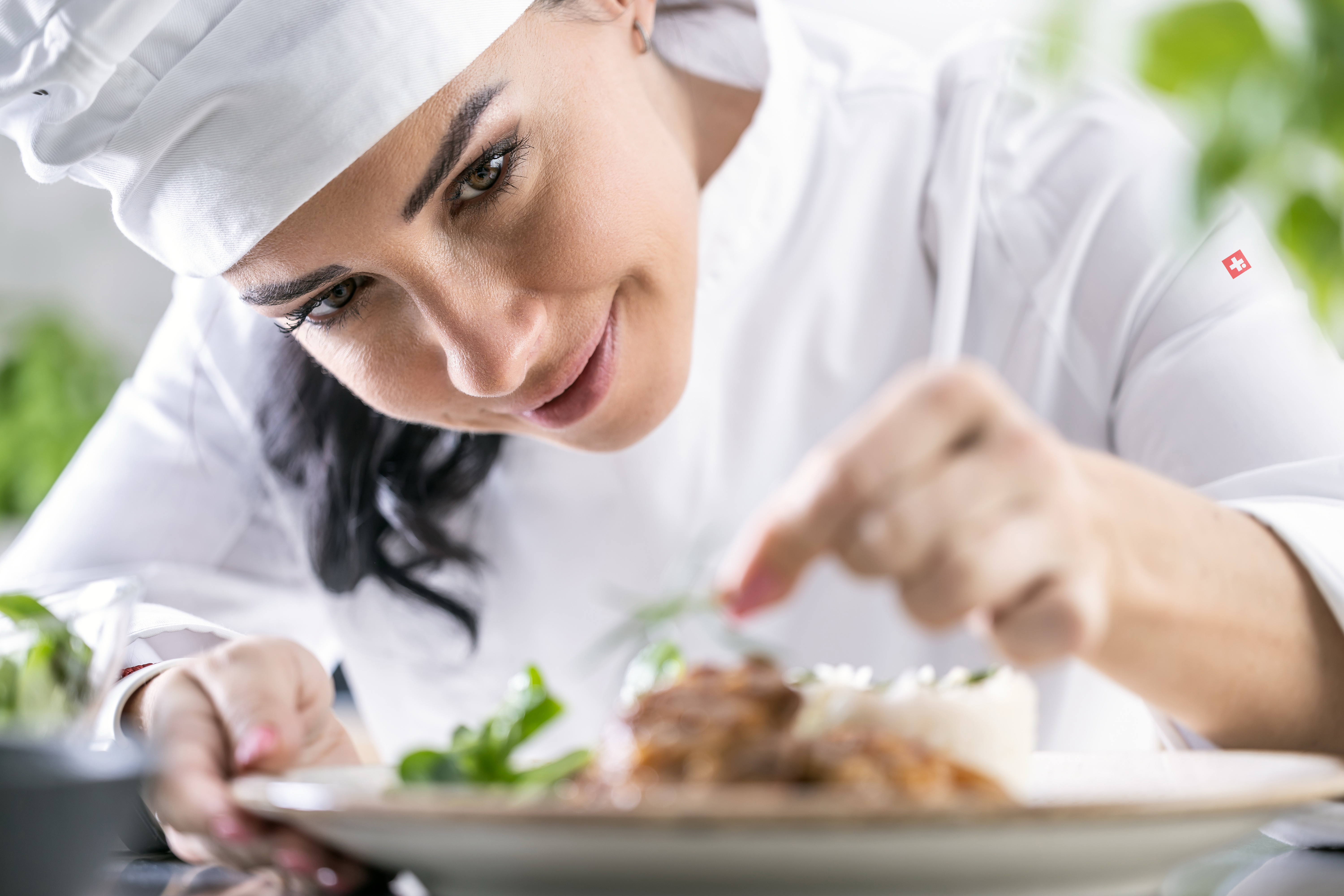
Every Delivery Is A New Brief.
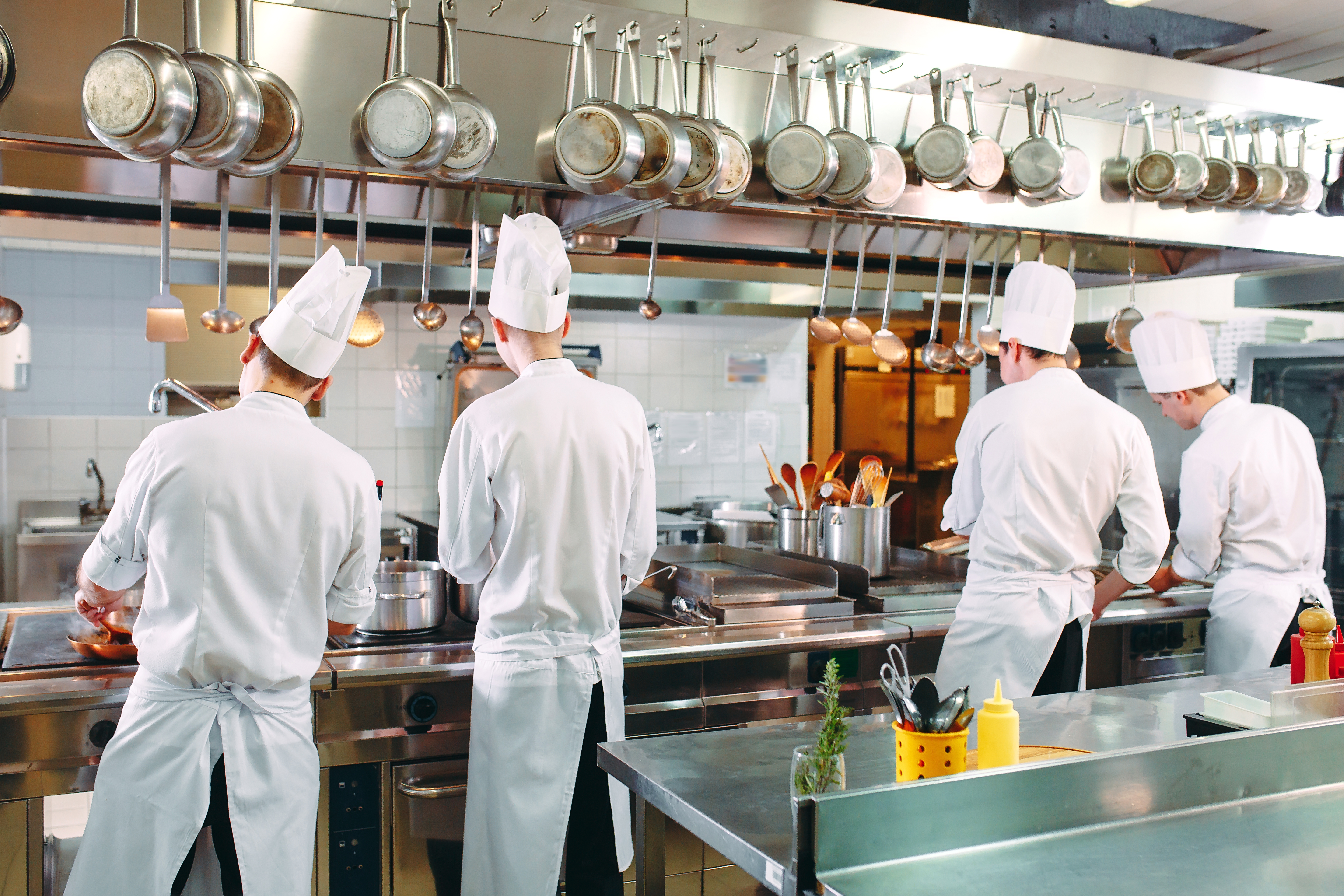
Food upcycling is the most creative kitchen discipline on earth. Most professional kitchens work from a fixed menu. Ingredients arrive to specification. Every dish planned days in advance. Consistency is the goal. PlusFood works differently. What arrives determines what gets made. Surplus fruit at peak ripeness, carrying more concentrated flavour than anything that made the shelf, becomes something a pastry chef would be proud to serve. Yesterday's bread, still at peak flavour, finds a completely new life. Vegetables that grew past the retail size standard bring an intensity that a perfectly graded one rarely matches. Dairy surplus, cheese trimmings, seasonal overruns, all of it arriving with character, history and potential that a professional chef immediately recognises. Unpredictability is the recipe. Skill is the only constant. Food upcycling goes further than food rescue. Rescue returns something to its original value. Upcycling elevates it, adding craft, creativity and professional expertise to produce something more valuable, more flavourful and more purposeful than the original ingredient could offer alone. Every batch preserved at peak quality through shock-freezing, a process proven by food science to lock in nutrition and flavour more effectively than extended refrigeration. What leaves the PlusFood kitchen is premium. Served at community tables, delivered to professional kitchens, frozen for homes. Same standard throughout. Same craft applied here as any great kitchen applies to its finest ingredients.
Picture & Text
You Let it Go. We Give it Right Back.
Retail partners, producers, farms and building owners. Every one of them making something extraordinary possible. Some partnerships change what is possible. Others change what a neighbourhood looks like. The partners of PlusFood do both. Retail partners carry the largest part of this story. Supermarkets and distributors route surplus food, near-expiry stock, cosmetically imperfect produce, seasonal overstock, directly to the PlusFood kitchen. What arrives as a food waste challenge leaves as verified ESG impact data, traceable sustainability reporting and chef-produced meals back in the canteen by lunchtime. Something that was already leaving finds somewhere it was always meant to go. Something that felt like a loss becomes something worth talking about. Food producers and manufacturers bring what the production cycle leaves behind, seasonal overruns, short-dated lines, the surplus that never made it to market. Their teams receive meals made from their own ingredients. Their sustainability commitments gain real, circular economy credentials that actually happened rather than merely promised. Farms bring the harvest the shelf rejected. Grown with the same soil, the same water, the same hands as everything that made it to retail, just the wrong size, the wrong shade, the wrong shape for a grading chart that knows nothing about flavour. PlusFood collects it, transforms it and sends something back. Meals made from that harvest return to the people who planted the seeds. Building owners and corporate partners open the door that makes all of it real. Vacant kitchens, fitted, equipped, ready, become the engine rooms of a food upcycling movement. Empty corporate spaces become community dining rooms where children whose parents are working sit down to a warm lunch. Where elderly neighbours find a table that was set for them. Where a neighbourhood discovers it has more to offer than anyone realised. A building that was standing empty becomes the most alive address on the street. Every batch flows three ways. Back to where it came from. Steam-ready meals returning to the partner, canteen, production floor, farm table. Surplus transformed. Circle complete. Out into the neighbourhood. Schools, kindergartens, elderly homes and people experiencing homelessness, the same meal, the same dignity, prices that welcome rather than exclude. Forward into the world. Premium catering, frozen meals and delivery sustain everything. Purpose built to last. Behind every meal are partners who made it possible. Shared three ways. Every batch. Every day.
Picture & Text
FoodPoint. Where Every Day Tastes Different.
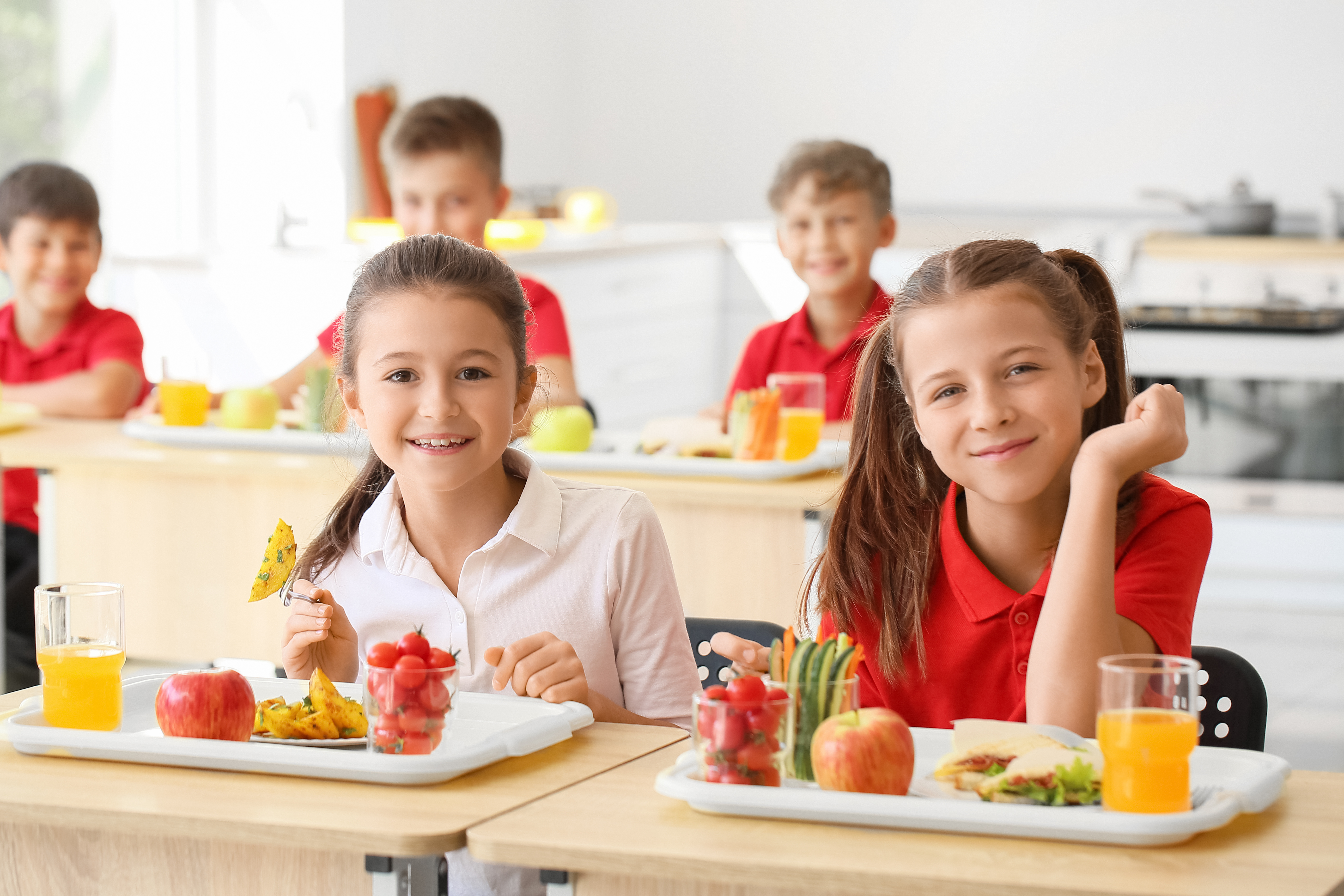
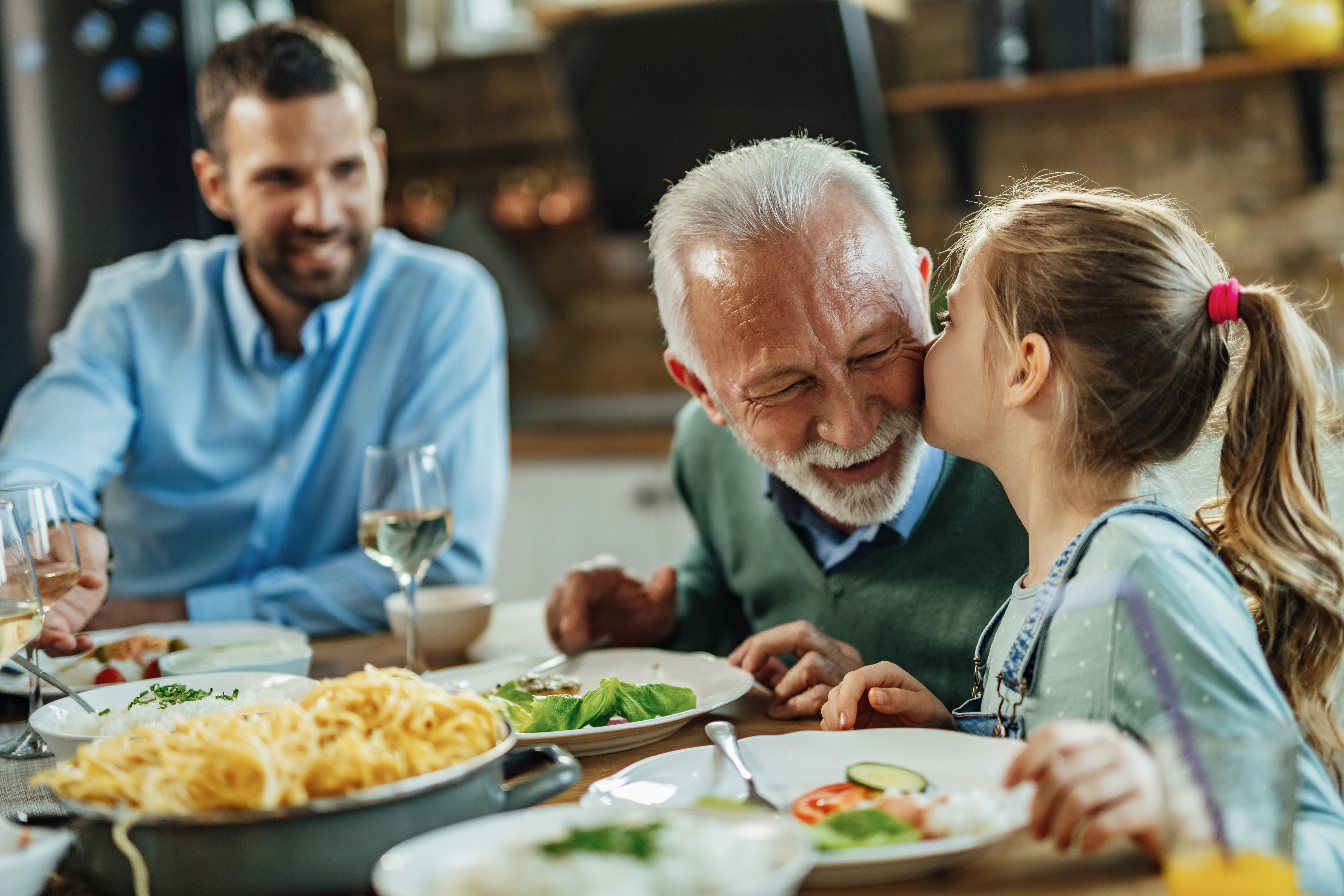
Every morning a new dish. Every day a different story. Every table open to everyone. Somewhere in this city, a professional kitchen woke up this morning and had no idea what it was going to make today. That is not a problem. That is the whole point. FoodPoint is where PlusFood becomes a place, a real kitchen, a real table, a real community forming around food that almost never existed. Located in professional kitchens across Swiss cities, many of them in buildings that were standing empty before PlusFood walked through the door, each FoodPoint runs as a full food upcycling production hub and a daily community dining room at the same time. At 08:00 every morning, today's dish is announced. Built from what arrived this week. Named for the farm or the partner that made it possible. Chef-produced, complete, ready to serve. By 12:00, a communal table is set and the neighbourhood is invited. Office workers, students, parents, visitors, elderly regulars — all sitting down to the same dish, in the same room, on the same day. Curiosity is the reservation system. Hunger is the only requirement. FoodPoint reaches beyond its own dining room. Schools and kindergartens receive chef-produced, shock-frozen meals at prices that make sense for them — staff simply heat and serve, and children whose parents are working sit down to something genuinely good. Elderly homes get daily variety without the kitchen overhead. The whole neighbourhood eats better because one building opened its doors. FoodPoint Zürich. FoodPoint Bern. FoodPoint Basel. Each one rooted in its city, sourcing from its region, serving its community. Each producing frozen meals, catering batches and wholesale components that extend the reach of every delivery far beyond the dining room. Same surplus. Same craft. Different table. Always the same standard. A building that was standing empty becomes the most alive address on the street. Kitchen and community. Inseparable by design.
Picture & Text
Every Day Tastes Different.
Every delivery a new dish. Every dish a different story. Every table open to everyone. FoodPoint is where PlusFood becomes physical, professional kitchens across Swiss cities, each one running as a food upcycling production hub and community dining room at the same time. Each delivery is the brief. What arrived determines what gets made. Each dish a surprise, built from whatever came in, transformed by a chef team that treats every surplus ingredient as an opportunity. Children walking in during school break while their parents work. Elderly neighbours who would otherwise eat alone. Anyone who needs a warm, chef-produced meal and a place to sit. The midday table is open, at accessible prices, to everyone. Spaces that were closed to the world for decades are now the warmest address on the street. Good food. Open doors. That is all it takes to transform a neighbourhood. Come hungry. Leave belonging.
Picture & Text
Where The Story Gets Its Happy End.
Impact with measure. Change you can taste. Behind every kilogram of surplus food sits an invisible chain of investment, water drawn from the ground, soil cultivated over seasons, energy spent on growth and transport, human hands involved at every stage. When that kilogram reaches a plate instead of a bin, every link in that chain is honoured. PlusFood is built to make that happen and to prove it. Every kilogram received, every batch produced, every meal served will generate verified impact data traceable back to its source. Research from the FAO and WRAP confirms that redirecting one tonne of food from waste to consumption saves an average of 4.2 tonnes of CO₂ equivalent. Retail and farm partners will receive that data as ESG reporting ready for annual sustainability declarations. Every impact real, traceable and verifiable, because without proof, good intentions are just good intentions. Revenue from catering, frozen products and community dining will sustain the kitchen, pay the team and fund social projects, building a self-sustaining operation that grows with every partner who opens a door. Every ingredient that arrives with potential leaves as something that mattered. Great food needs a happy end. PlusFood writes it.
JOIN THE COMMUNITY
More than donors. More than volunteers. We're a global movement.
Obtenir un arbre